Turf
28 AUG 2026
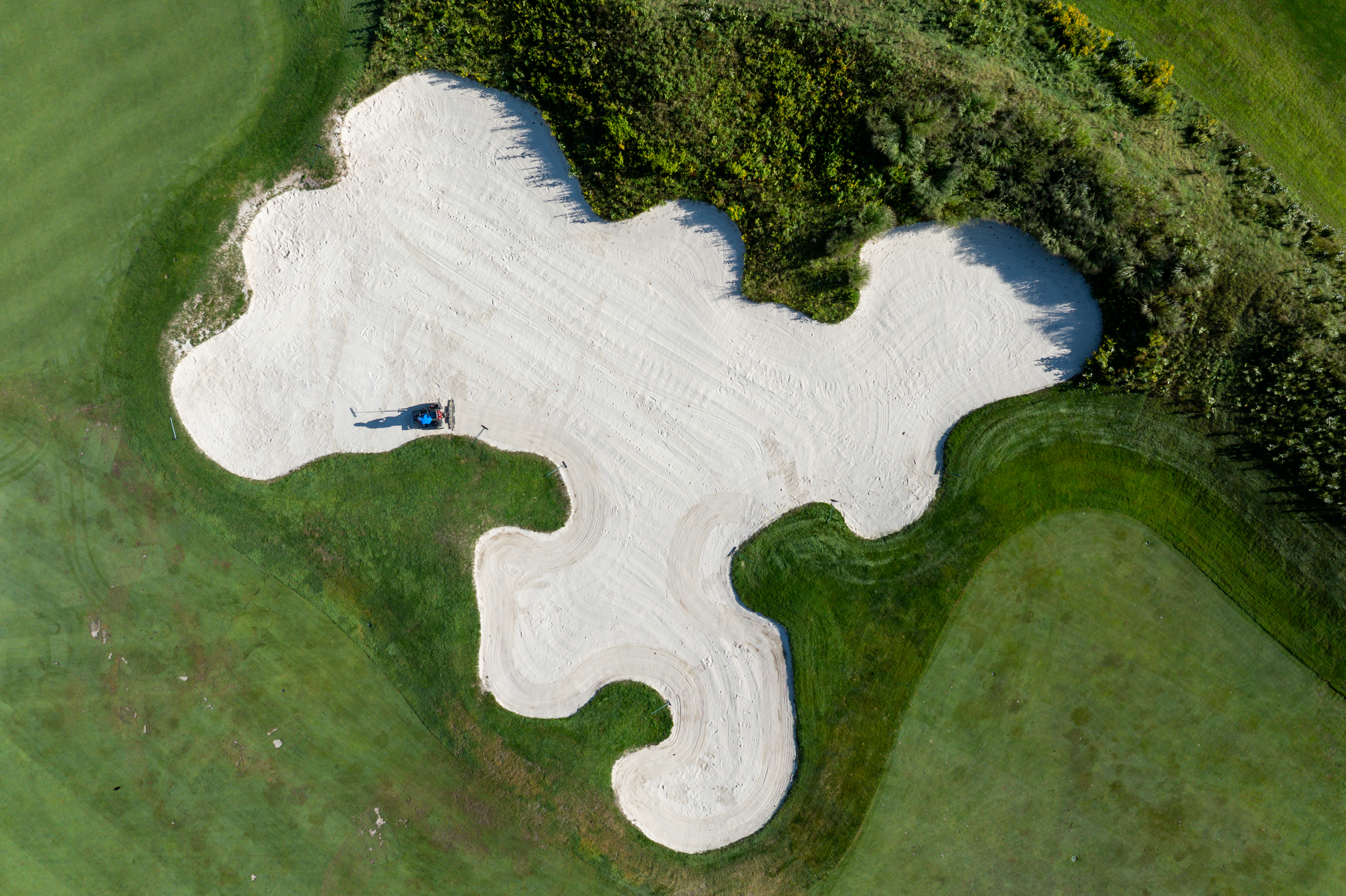
We can gradually feel fall settling in. Whether it’s the cool mornings, the shorter days, or the leaves beginning to change color, there are many signs reminding us that the season is moving forward.
Another very tangible sign is our students heading back to school. We’d like to extend a big thank you to them for their excellent work throughout the season. Their help allowed us to complete many tasks and projects that we simply wouldn’t have had time to carry out without them. Their contribution was greatly appreciated by the entire team.
Speaking of fall, the maintenance practices specific to this time of year will gradually be implemented throughout September. Whether it’s aeration, vertical mowing, or fertilization tailored to the needs of our courses, we’re already preparing to give our courses the best possible conditions to get through the winter and start fresh in the spring.
Although we still have many wonderful days of golf ahead of us, we know that the season will inevitably give way to winter. Our job, therefore, is to make the most of the coming week’s great growing weather while already preparing for next season.
In addition to daily course maintenance, we are continuing our efforts to improve the courses, particularly by reseeding certain fairways to promote denser turf and optimal recovery of the most heavily used areas.
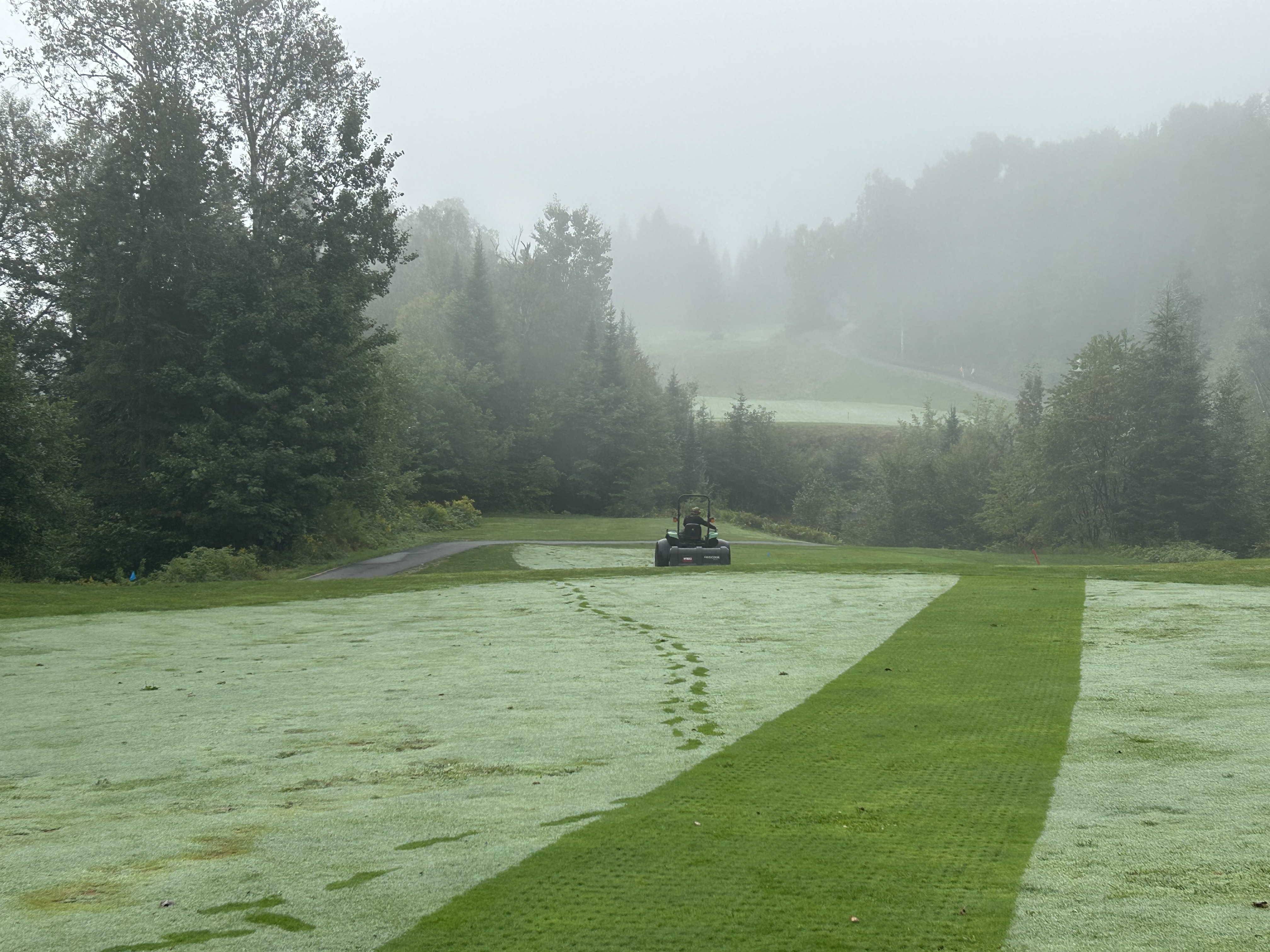
Preventive and curative treatments against dollar spot will also begin shortly. The goal remains the same: to keep our playing surfaces in the best possible condition until the end of the season.
What is dollar spot?
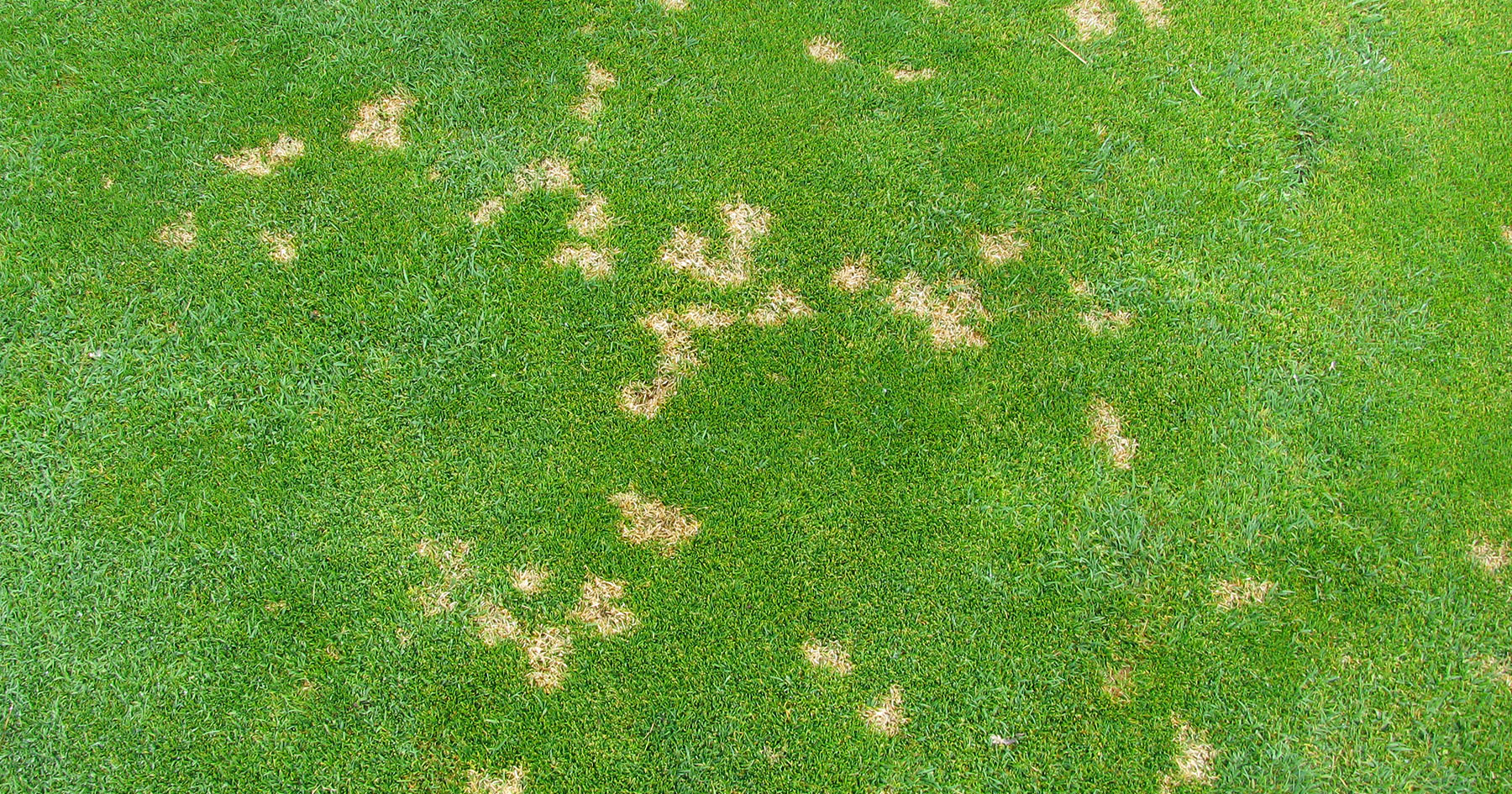
Dollar spot is a fungal disease that primarily affects closely mowed turf areas, such as greens and fairways.
It is generally recognized by the appearance of small, round, brownish or whitish spots, often about the size of a coin—hence its name. The disease is particularly favored by cool nights, high humidity, and dew on the turf.
Although the damage is usually localized, dollar spot can spread rapidly when conditions are favorable. That is why proper management of fertilization, moisture, and fungicide treatments helps limit its spread and maintain high-quality playing surfaces.
The season is far from over. Let’s continue to enjoy our courses to the fullest while we prepare for what’s next.
Marc-André Doré, Golf Course Superintendent